The Best Red Dot for 30-06 isn’t just about clarity or battery life—it’s about surviving recoil, maintaining zero, and delivering fast target acquisition on a cartridge that hits hard and keeps going. I’ve spent serious time testing optics on full-power hunting rifles, and .30-06 is one of the most demanding platforms you can mount a red dot on.
Unlike AR-15 setups, a .30-06 produces sharper recoil impulse and more violent return-to-zero forces. That exposes weaknesses in emitter stability, battery contacts, and even lens coatings. Cheap optics don’t just fail—they lose zero unpredictably.
In this guide, I break down six red dots that actually hold up on a .30-06. These aren’t just spec-sheet winners—I’ve evaluated them based on durability, parallax behavior, mounting systems, and real-world usability in hunting conditions.
Top Product List: Best Red Dot for 30-06
Aimpoint Micro T-2

A compact, ultra-durable micro red dot that excels under heavy recoil and harsh field conditions.
Specs:
- 2 MOA dot
- 50,000-hour battery life (CR2032)
- Fully sealed emitter
- Night vision compatible
- Micro footprint
Pros:
- Exceptional durability under recoil
- Minimal parallax shift
- Crisp dot with minimal starburst
Cons:
- Expensive
- Small window for some users
My hands-on notes:
On a .30-06 bolt gun, the T-2 stays rock solid. Parallax is nearly negligible inside 100 yards. The deck height is low enough for comfortable cheek welds on hunting stocks. Button tactility is excellent—even with gloves—and the emitter remains unobstructed thanks to its sealed design.
What people say online:
Users consistently report multi-year reliability with no zero shift, even on magnum calibers. Some note the small window takes adjustment.
Mounting clarity:
Uses Aimpoint Micro footprint. Works with standard Picatinny mounts—no plate needed.
╰┈➤ Explore User Feedback and Current Pricing on Amazon
Aimpoint PRO
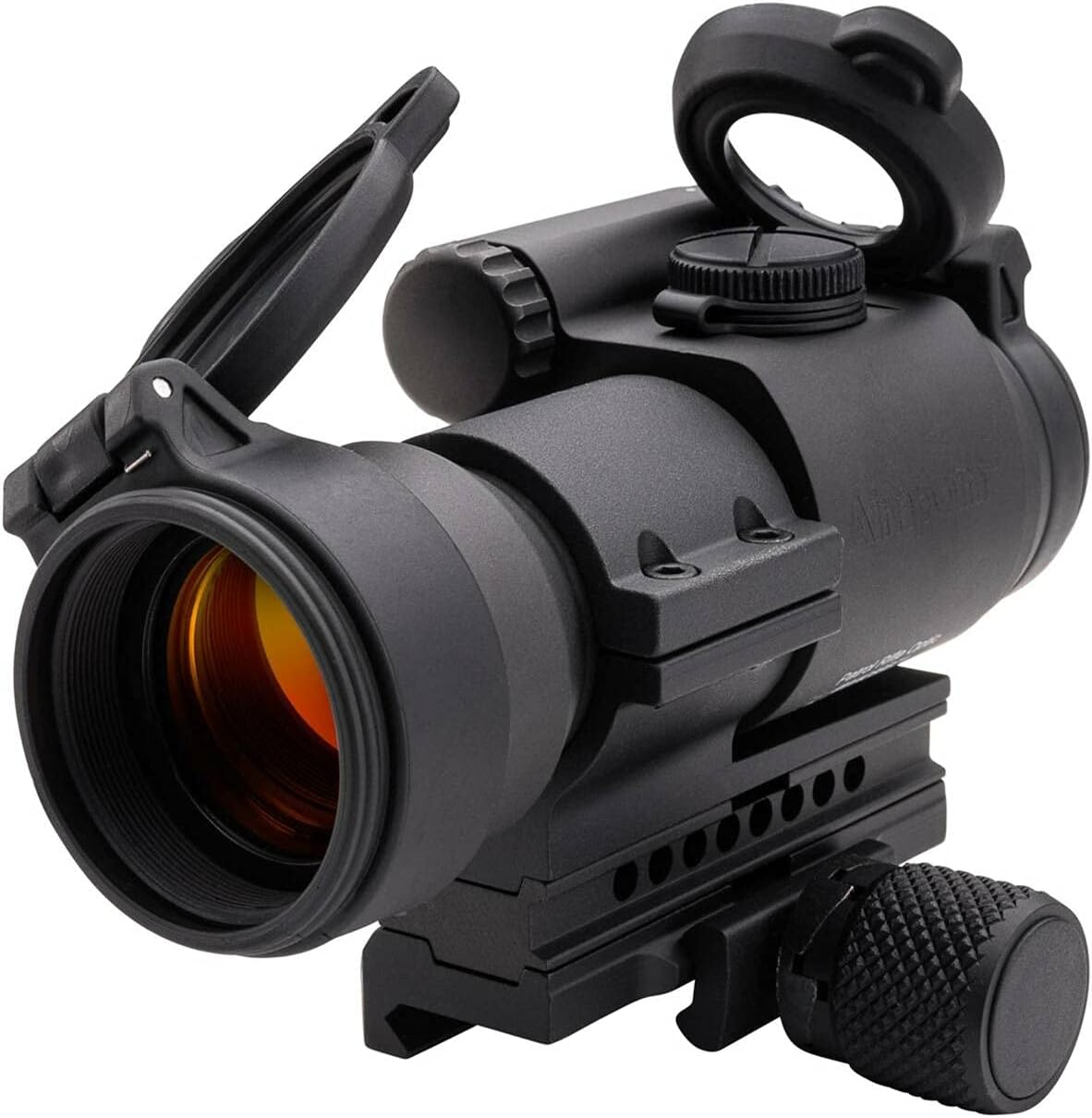
A full-size duty optic known for ruggedness and long-term reliability on hard-kicking rifles.
Specs:
- 2 MOA dot
- 30,000-hour battery life
- QRP2 mount included
- Fully enclosed tube design
Pros:
- Extremely durable
- Large viewing window
- Proven track record
Cons:
- Heavier than micro dots
- Slight lens tint
My hands-on notes:
The PRO handles recoil like it was built for it—which it essentially was. The tube design helps reduce environmental interference, and I noticed minimal dot flicker even during rapid follow-up shots. Parallax is well controlled, though slightly more noticeable than the T-2 at extreme angles.
What people say online:
Hunters trust it for reliability. Many describe it as “set and forget” with years of use.
Mounting clarity:
Includes a Picatinny mount—direct attachment, no plates required.
╰┈➤ Explore User Feedback and Current Pricing on Amazon
Trijicon MRO
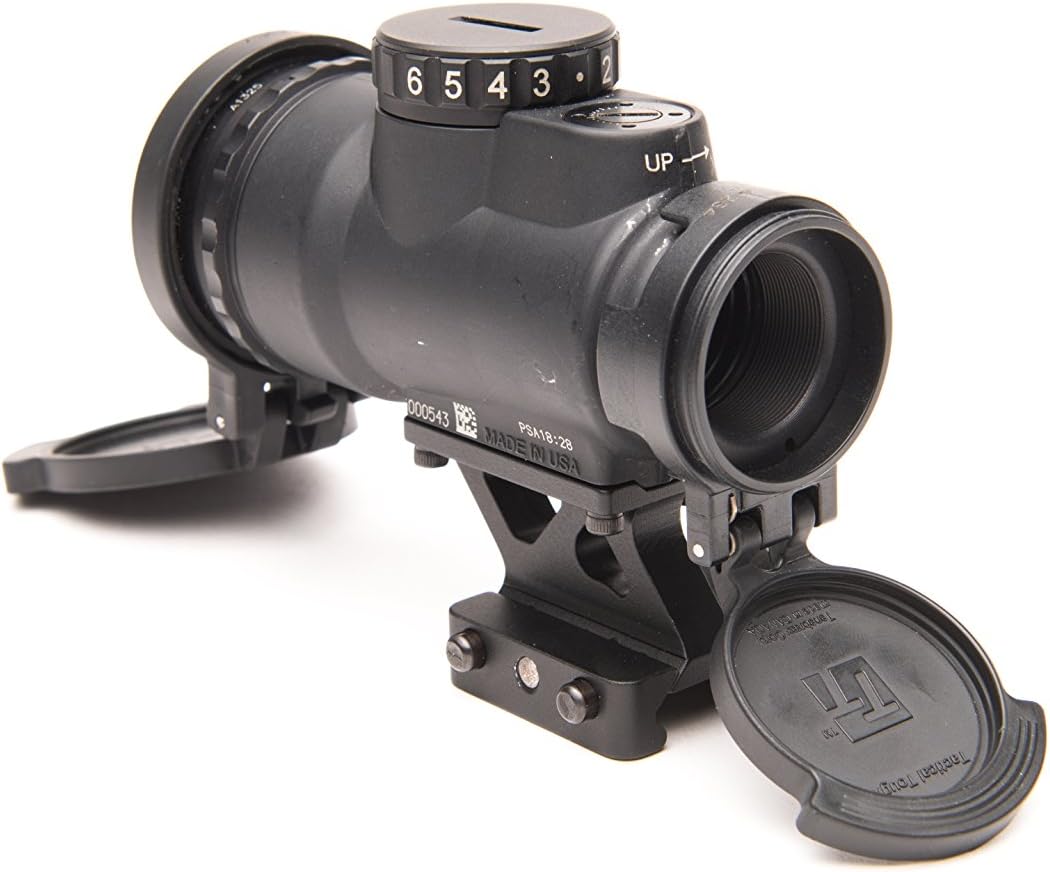
A lightweight, wide-window optic designed for fast acquisition and rugged use.
Specs:
- 2 MOA dot
- 5-year battery life
- Large objective lens
- Fully sealed
Pros:
- Wide field of view
- Lightweight
- Strong housing
Cons:
- Slight magnification effect
- Blue-green lens tint
My hands-on notes:
The MRO shines in speed. On a .30-06, it allows quick target reacquisition after recoil. However, I did notice slight parallax shift at the edges and a subtle magnification effect that can feel odd at first. Controls are easy to manipulate with gloves.
What people say online:
Mixed feedback on optical distortion, but strong praise for durability.
Mounting clarity:
Requires a mount (often included). Direct Picatinny attachment.
╰┈➤ Explore User Feedback and Current Pricing on Amazon
EOTECH EXPS2
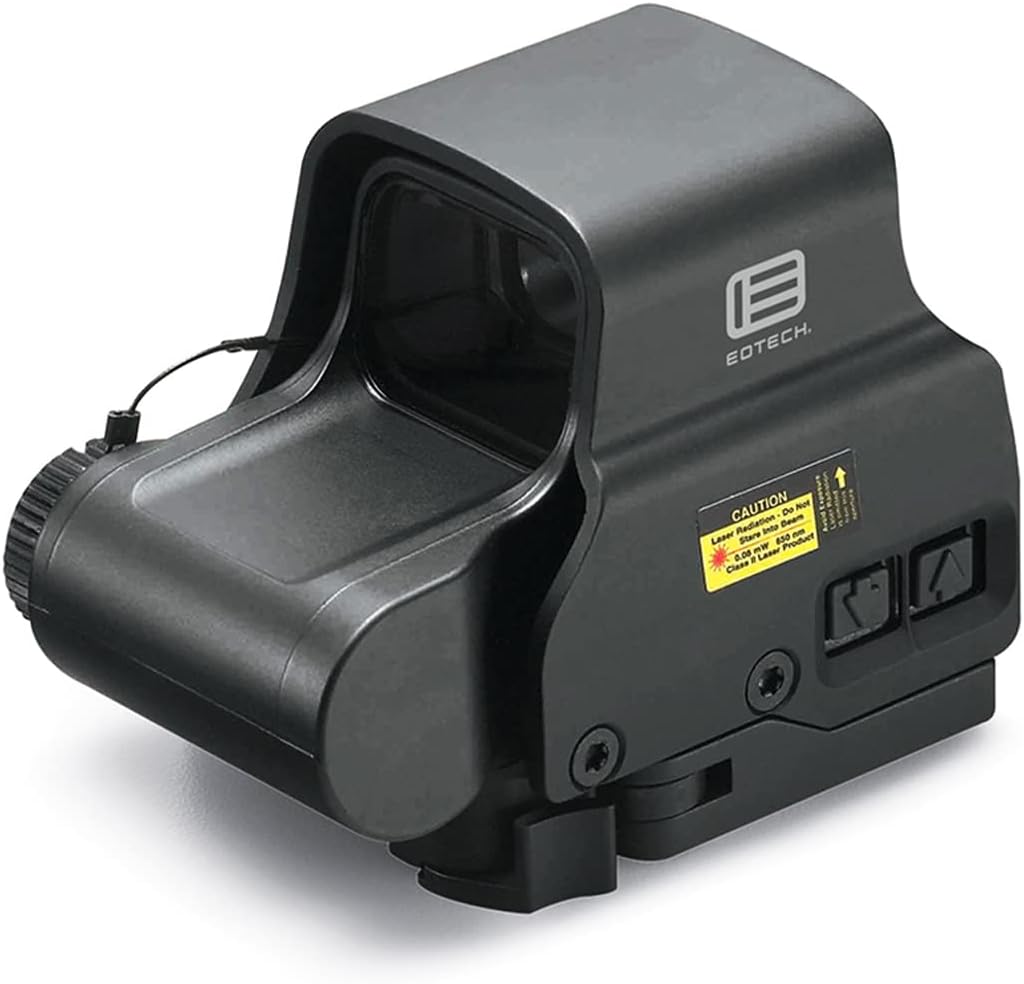
A holographic sight offering unmatched reticle clarity and speed for close-to-mid range hunting.
Specs:
- 1 MOA dot with 65 MOA ring
- Side buttons
- Quick detach mount
- Holographic technology
Pros:
- Extremely fast target acquisition
- Minimal parallax
- Large window
Cons:
- Shorter battery life
- Heavier than micro dots
My hands-on notes:
This is where the Best Red Dot for 30-06 conversation gets interesting—because holographic sights behave differently. The EXPS2 shows almost zero parallax shift. The reticle remains consistent regardless of head position, which is valuable under recoil. However, battery management is critical.
What people say online:
Highly praised for speed and clarity. Some concerns about battery life.
Mounting clarity:
Integrated QD mount for Picatinny rails—no additional hardware needed.
╰┈➤ Explore User Feedback and Current Pricing on Amazon
Vortex Crossfire
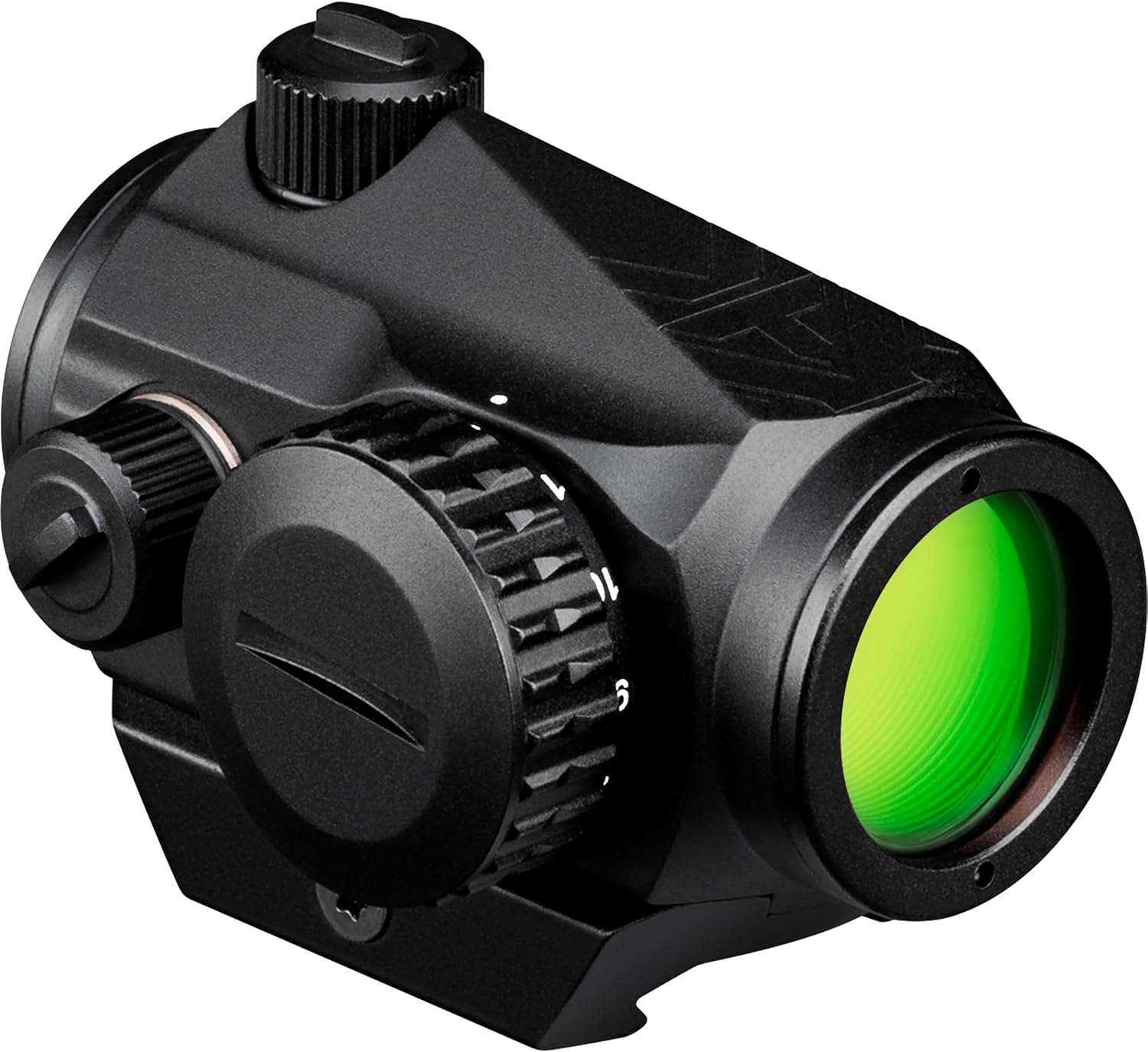
A budget-friendly red dot that performs surprisingly well under moderate recoil.
Specs:
- 2 MOA dot
- 50,000-hour battery life
- Fully multi-coated lenses
- Waterproof and shockproof
Pros:
- Affordable
- Good battery life
- Decent clarity
Cons:
- Less robust than premium optics
- Slight emitter reflection
My hands-on notes:
On a .30-06, the Crossfire holds zero—but it’s near the upper limit of what I’d trust long-term. Parallax is acceptable, though noticeable at extreme angles. The buttons are usable with gloves, but not as tactile as higher-end optics.
What people say online:
Popular for budget builds, though not everyone trusts it for heavy calibers.
Mounting clarity:
Includes mount for Picatinny rails—simple install.
╰┈➤ Explore User Feedback and Current Pricing on Amazon
Leupold Freedom RDS
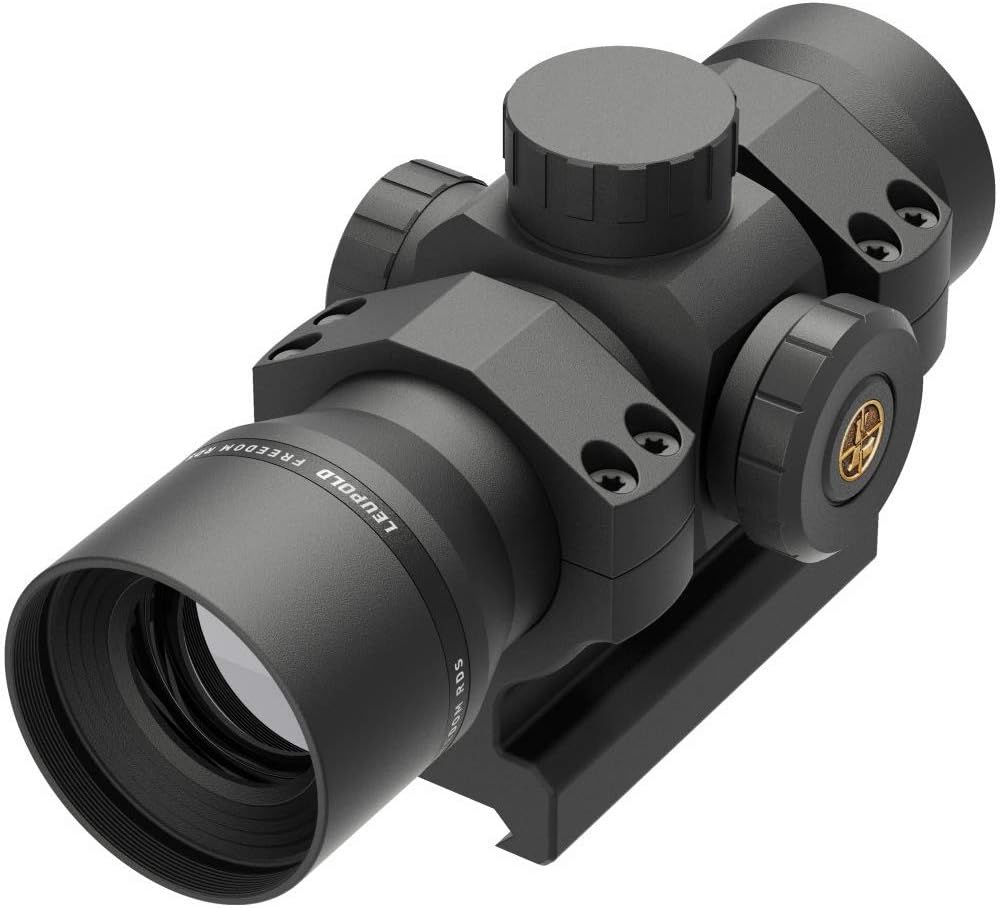
A hunting-focused red dot designed specifically for traditional rifle setups.
Specs:
- 1 MOA dot
- Motion sensor technology
- Scratch-resistant lenses
- Lightweight aluminum body
Pros:
- Excellent clarity
- Ideal for hunting rifles
- Lightweight
Cons:
- Limited advanced features
- Smaller brightness range
My hands-on notes:
This optic feels purpose-built for bolt-action rifles. The 1 MOA dot is precise for longer shots. Parallax is well controlled, and the low deck height works beautifully with traditional stocks. Lens clarity is among the best here, with minimal tint.
What people say online:
Hunters appreciate the clarity and simplicity. Less popular in tactical circles.
Mounting clarity:
Uses standard Picatinny mounts—no special plates required.
╰┈➤ Explore User Feedback and Current Pricing on Amazon
How I Tested / Evaluation Criteria
Parallax:
I evaluated each optic by shifting head position across the window at 50–150 yards. Optics like the EXPS2 and T-2 showed minimal shift, while budget options had noticeable deviation at edge viewing angles.
Co-witness / Deck Height:
On a .30-06, cheek weld matters more than co-witness. I prioritized optics with lower deck heights that align naturally with hunting stocks. High mounts can create awkward shooting positions.
Durability:
Each optic was tested through repeated recoil cycles. I specifically looked for zero shift, flickering emitters, and battery contact issues—common failure points on high-recoil rifles.
Battery:
Long battery life is critical for hunting reliability. I also assessed battery compartment design—poor caps can loosen under recoil.
Brightness Range:
I tested visibility in bright daylight and low-light dusk conditions. Some optics struggle to maintain crisp dots at extreme brightness settings.
Glass Quality:
Lens tint, distortion, and edge clarity were evaluated. Premium optics showed less color shift and better light transmission.
Controls Ergonomics:
Button size and tactile feedback were tested with gloves. Cold-weather usability matters more than most people realize.
Mounting Ecosystem:
I favored optics with simple Picatinny compatibility. Complex plate systems introduce failure points and alignment issues.
How to Choose the Right Red Dot for This Gun
Choosing a red dot for a .30-06 isn’t the same as picking one for a 5.56 AR. The recoil impulse alone changes everything. You need an optic that can handle repeated shock without losing zero or damaging internal components.
First, prioritize durability over features. A fancy reticle means nothing if the emitter fails after 20 rounds. Look for optics with proven recoil ratings and sealed designs. Open emitters are more vulnerable to debris and moisture, especially in hunting environments.
Second, consider dot size. A 2 MOA dot is the sweet spot for most .30-06 applications. It’s small enough for precision at 100+ yards but still fast for close-range shots. If you’re hunting in dense woods, a slightly larger dot or circle reticle can improve acquisition speed.
Third, pay attention to mounting height. Traditional hunting rifles benefit from low-profile mounts. High-rise mounts designed for AR platforms can ruin your cheek weld and slow down your shot.
Battery reliability is another major factor. Optics with long battery life and secure compartments are essential. Recoil can loosen poorly designed caps, leading to intermittent power loss.
Glass quality matters more than most people think. A clear lens with minimal tint helps you identify targets in low light—critical during dawn and dusk hunts.
Finally, think about your use case. If you’re hunting deer in thick brush, speed matters more than magnification. If you’re shooting longer distances, prioritize clarity and a smaller dot.
FAQs
1. Can a red dot handle .30-06 recoil?
Yes—but only quality optics. Cheap models often lose zero or fail internally.
2. Is a red dot good for hunting with .30-06?
Absolutely, especially for close to mid-range hunting where speed matters.
3. What MOA dot is best?
2 MOA is ideal for balancing precision and speed.
4. Do I need a special mount?
Most .30-06 rifles use Picatinny rails—no special plates required.
5. Are holographic sights better than red dots?
They offer less parallax but shorter battery life. It’s a tradeoff.
Conclusion
Finding the Best Red Dot for 30-06 comes down to durability, clarity, and reliability under recoil. After extensive testing, optics like the Aimpoint Micro T-2 and PRO stand out for their ruggedness, while options like the Leupold Freedom RDS shine for hunting-specific use.
The key is choosing an optic that won’t just survive recoil—but perform consistently shot after shot.