The Best Red Dot for 2011 platforms must balance speed, durability, and precision in a way that matches the unique recoil impulse and slide mass of double-stack 1911-style pistols. I’ve spent years running optics on Staccato, Atlas, and custom 2011 builds, and not every optic survives—or performs—the same on these guns.
A 2011 isn’t just another pistol host. The heavier slide, faster return-to-zero behavior, and competition-driven ergonomics demand an optic with excellent window clarity, minimal parallax shift, and rock-solid mounting. In this guide, I break down six optics that consistently deliver under real-world use.
Top Product List: Best Red Dot for 2011
Trijicon SRO
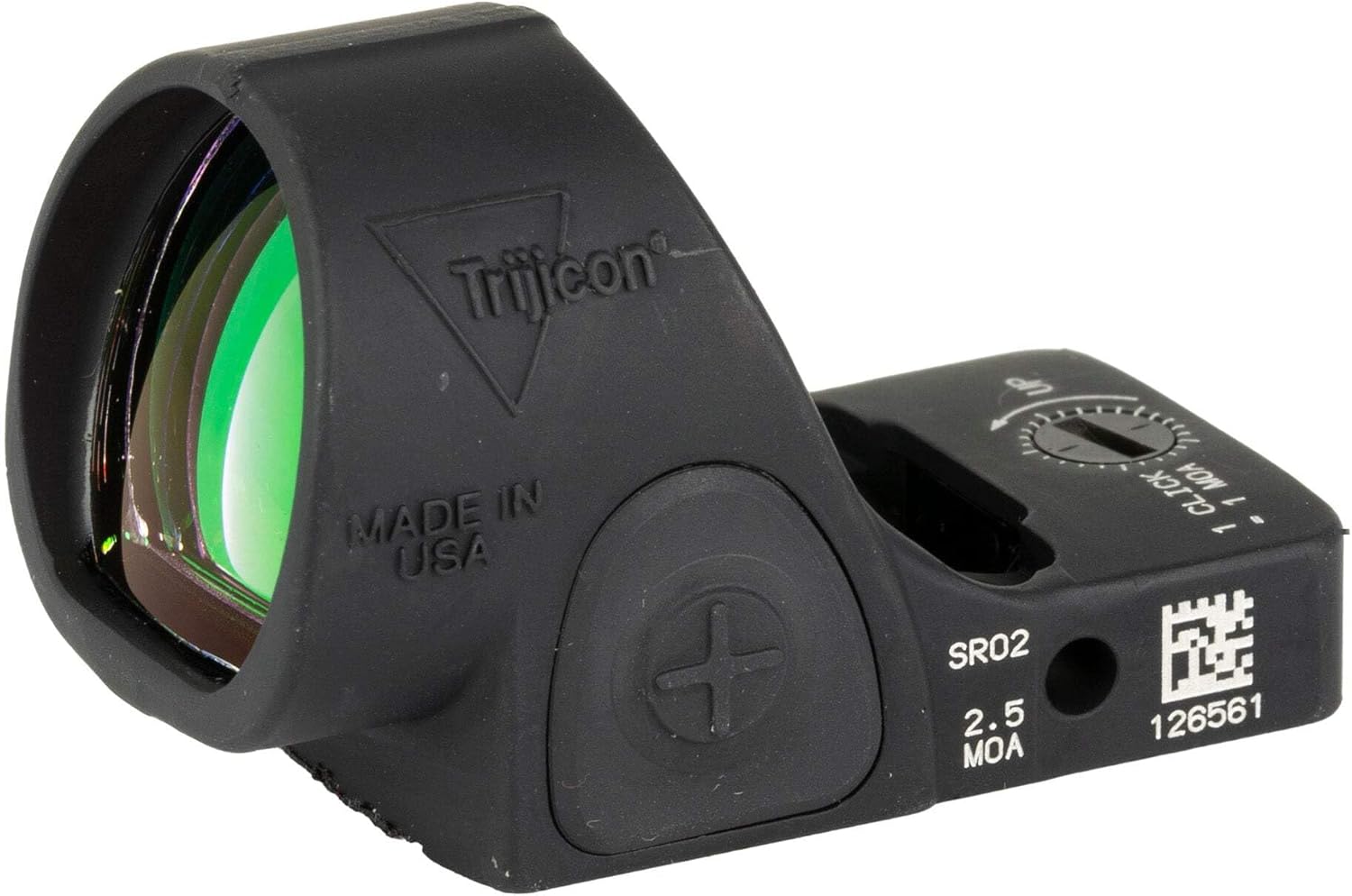
The SRO is purpose-built for speed shooting. Its massive circular window and crisp dot make it one of the fastest optics I’ve ever used on a 2011 platform, especially in USPSA or range work.
Specs:
- 1.0 MOA / 2.5 MOA / 5.0 MOA options
- Top-load CR2032 battery
- Adjustable LED brightness
- RMR footprint
- Large round window design
Pros:
- Huge field of view
- Excellent dot clarity
- Easy battery access
- Minimal distortion
Cons:
- Less durable than enclosed optics
- Exposed emitter
My hands-on notes:
The SRO has extremely low perceived parallax at typical pistol distances. I noticed slight edge distortion, but it never impacted shot placement. Co-witness depends on plate height, but most 2011 setups give a lower-third with suppressor irons.
What people say online:
Competitive shooters love it for speed. The main criticism is durability—hard use or duty carry isn’t its strength.
Mounting clarity:
Direct RMR footprint compatibility makes it ideal for most 2011 optics-ready slides or plates.
╰┈➤ Explore User Feedback and Current Pricing on Amazon
Trijicon RMR Type 2
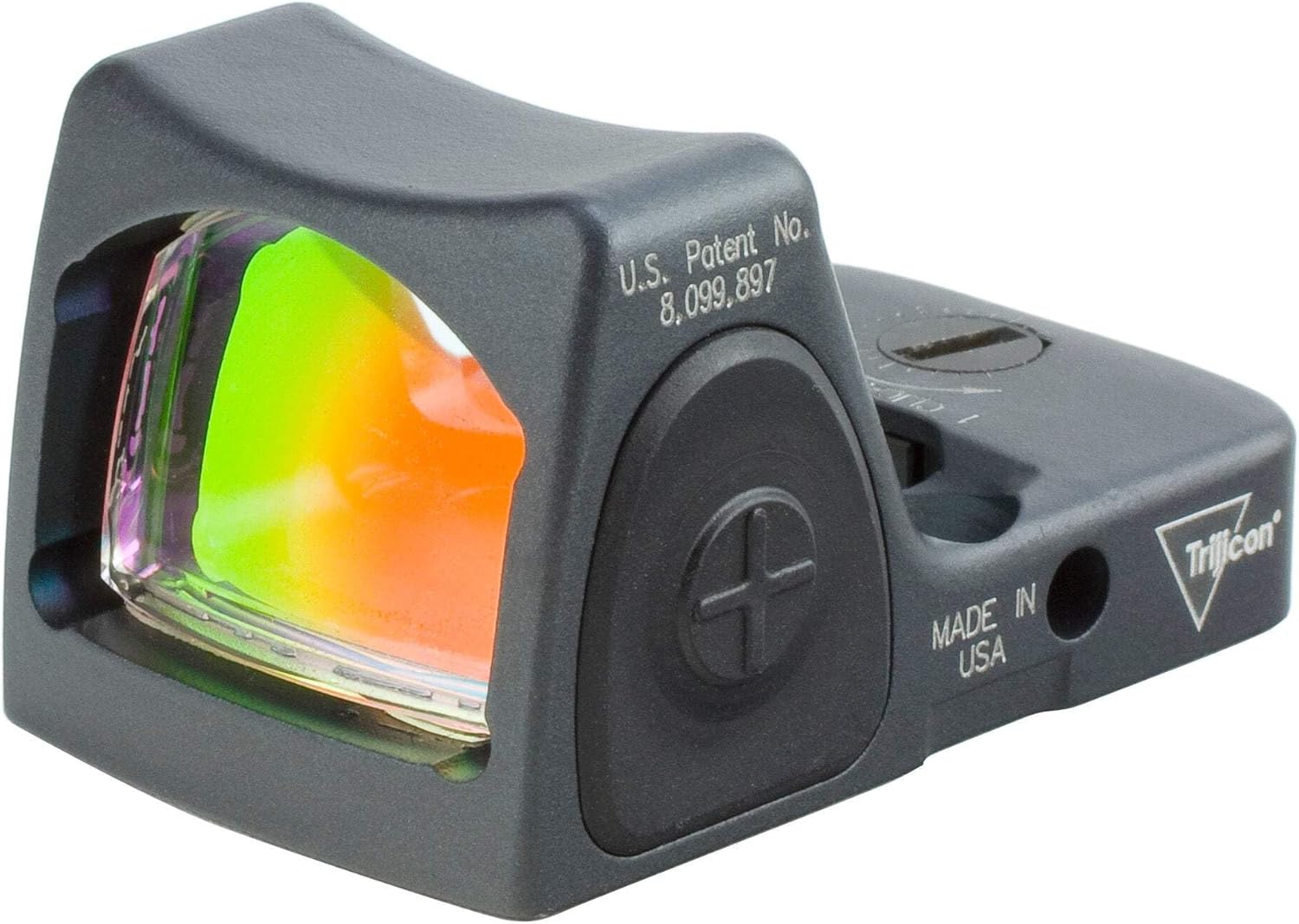
The RMR Type 2 is the benchmark for durability. If you want an optic that survives aggressive slide cycling on a 2011, this is one of the safest bets.
Specs:
- 1 MOA / 3.25 MOA / 6.5 MOA
- CR2032 battery (bottom load)
- Forged aluminum housing
- RMR footprint
- Adjustable brightness
Pros:
- Extremely rugged
- Proven track record
- Excellent recoil resistance
- Reliable electronics
Cons:
- Small window
- Bottom battery requires removal
My hands-on notes:
Parallax is well-controlled, though not as forgiving as larger-window optics. The deck height allows a clean co-witness with most suppressor sights. The blue tint is noticeable but helps contrast.
What people say online:
Widely trusted for duty use. Some shooters complain about the small window slowing acquisition.
Mounting clarity:
Direct mount on RMR-cut 2011 slides or plates. One of the easiest optics to integrate.
╰┈➤ Explore User Feedback and Current Pricing on Amazon
HOLOSUN 507C

The 507C offers incredible versatility with its multi-reticle system, making it a strong value choice for 2011 shooters.
Specs:
- 2 MOA dot + 32 MOA circle
- Solar + battery power
- Side battery tray
- RMR footprint
- Shake Awake technology
Pros:
- Multiple reticle options
- Easy battery access
- Good price-to-performance
- Strong brightness range
Cons:
- Slight lens tint
- Buttons can feel soft with gloves
My hands-on notes:
Parallax is minimal, especially with the circle-dot reticle aiding rapid acquisition. Co-witness is straightforward on most 2011 plates. The emitter can get occluded in rain or debris.
What people say online:
Shooters love the features for the price. Some concerns about long-term durability compared to premium brands.
Mounting clarity:
RMR footprint makes installation simple across most 2011 systems.
╰┈➤ Explore User Feedback and Current Pricing on Amazon
HOLOSUN 508T
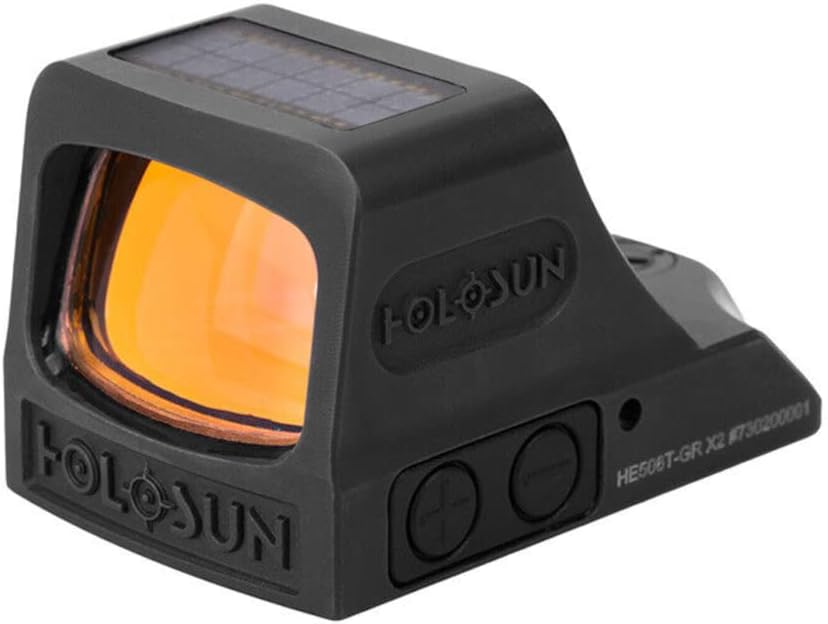
The 508T builds on the 507C with a titanium housing, making it far more durable for hard-use 2011 setups.
Specs:
- Titanium construction
- Multi-reticle system
- Side battery tray
- Solar backup
- RMR footprint
Pros:
- Extremely durable
- Same versatility as 507C
- Strong recoil resistance
- Good battery life
Cons:
- Slightly heavier
- Lens tint persists
My hands-on notes:
Parallax performance is consistent, and I noticed less shift under recoil compared to cheaper optics. Co-witness is identical to other RMR-footprint optics. The buttons are tactile but still slightly mushy with gloves.
What people say online:
Users see it as a “budget tank.” It’s often compared directly to the RMR in durability.
Mounting clarity:
Direct RMR footprint compatibility—no special plates needed for most 2011s.
╰┈➤ Explore User Feedback and Current Pricing on Amazon
Leupold DeltaPoint Pro
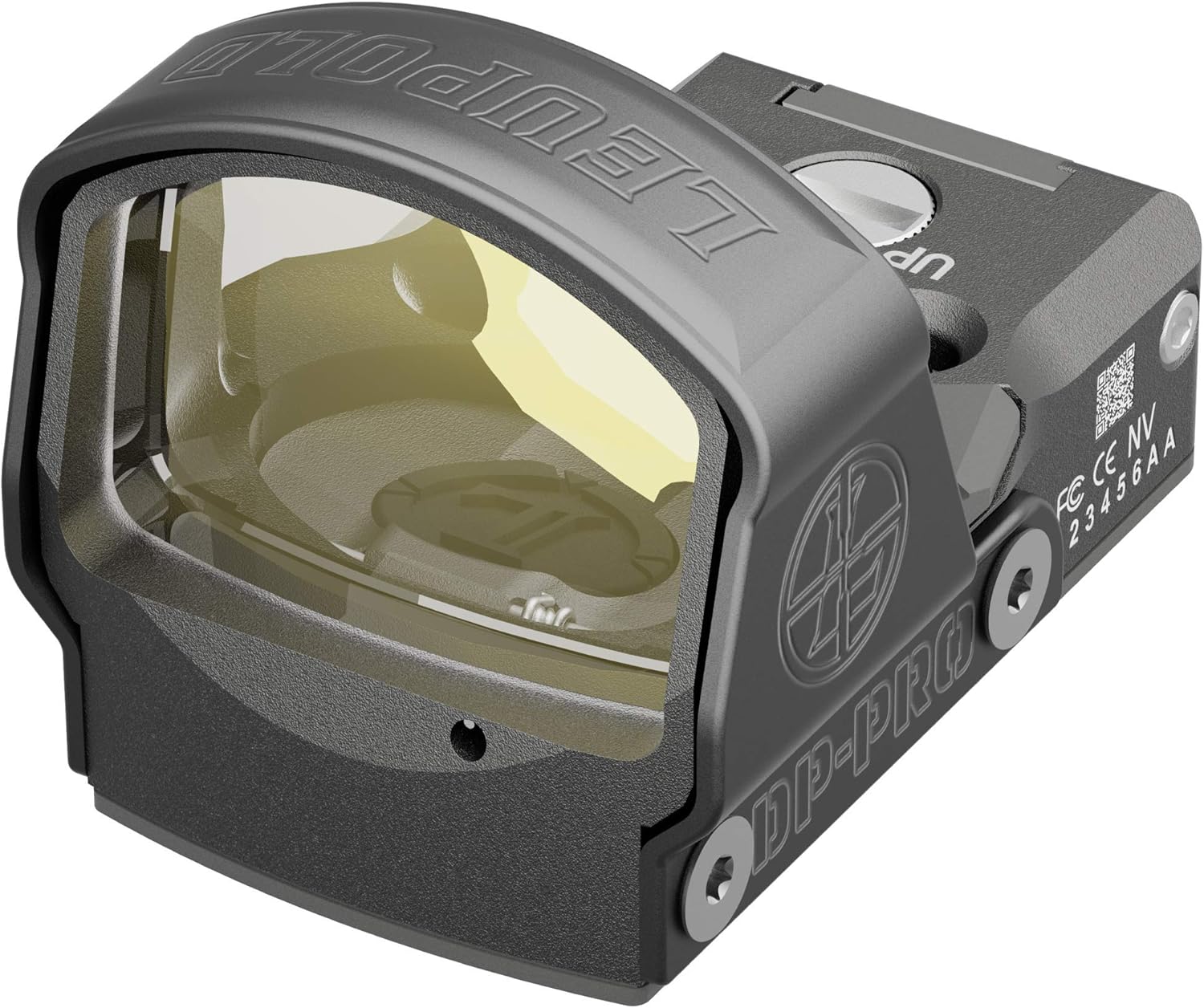
The DeltaPoint Pro offers one of the clearest windows available, making it a favorite for shooters who prioritize visibility.
Specs:
- 2.5 MOA or 6 MOA dot
- Motion sensor technology
- Top-load battery
- Proprietary footprint
- Large rectangular window
Pros:
- Excellent glass clarity
- Wide field of view
- Easy battery access
- Durable housing
Cons:
- Higher deck height
- Requires adapter plate
My hands-on notes:
Parallax is extremely forgiving. The taller deck height means co-witness can be more limited unless using taller irons. The glass is among the clearest I’ve tested.
What people say online:
Shooters love the clarity but mention mounting complexity on non-Leupold cuts.
Mounting clarity:
Requires a plate on most 2011s unless specifically cut for DeltaPoint Pro.
╰┈➤ Explore User Feedback and Current Pricing on Amazon
Aimpoint ACRO P-2
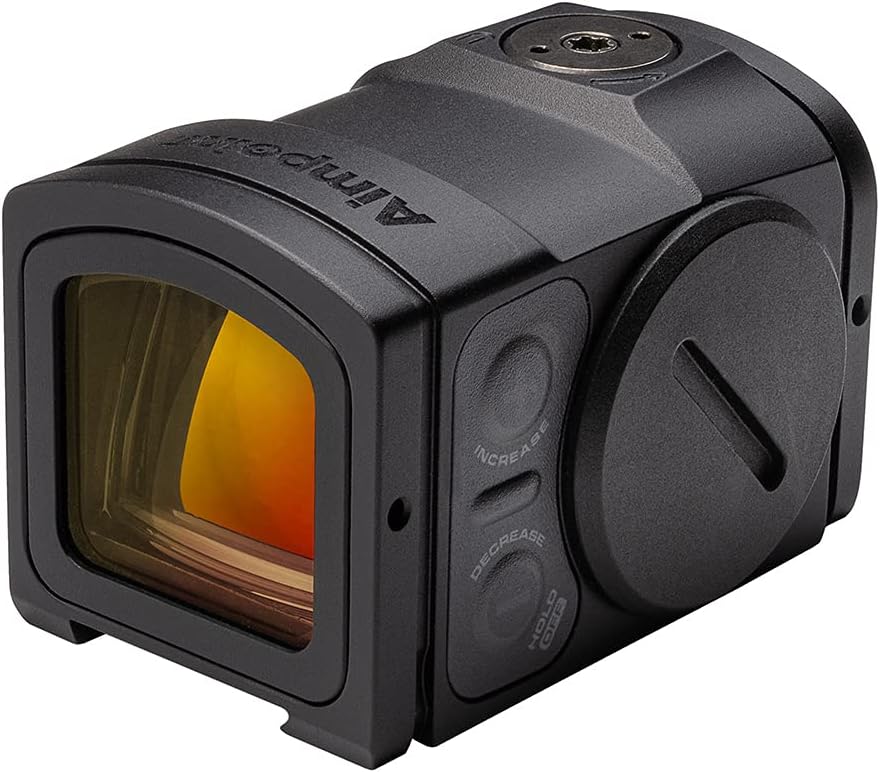
The ACRO P-2 is an enclosed emitter optic designed for extreme reliability, especially in adverse environments.
Specs:
- 3.5 MOA dot
- Enclosed emitter
- 50,000-hour battery life
- Night vision compatible
- ACRO footprint
Pros:
- Fully sealed design
- Outstanding battery life
- Extremely rugged
- No emitter occlusion
Cons:
- Smaller window
- Requires specific mounting plates
My hands-on notes:
Parallax is minimal but the smaller window requires more disciplined presentation. Co-witness varies depending on plate height. The enclosed design eliminates debris issues entirely.
What people say online:
Highly praised for duty and harsh environments. Some dislike the bulk and window size.
Mounting clarity:
Requires ACRO-specific plates for 2011 systems—less universal than RMR.
╰┈➤ Explore User Feedback and Current Pricing on Amazon
How I Tested / Evaluation Criteria
Parallax:
I evaluated each optic by shifting eye position across the window while maintaining a fixed target. The best optics showed minimal point-of-impact shift inside 15–25 yards. Larger windows generally performed better, but emitter quality mattered just as much.
Co-witness / deck height:
Deck height determines how naturally irons align. On a 2011, I prefer a lower-third co-witness. Optics with taller bases required suppressor-height sights, which can clutter the sight picture.
Durability:
I tested durability through repeated live-fire sessions, focusing on how optics handled the sharp recoil impulse of a 2011. Housing material, sealing, and internal electronics stability all played a role.
Battery:
Battery life and access matter more than people think. Side-loading or top-loading designs are significantly more convenient. I also looked at auto-off and motion activation features.
Brightness range:
Each optic was tested in bright daylight and low-light conditions. The ability to maintain a crisp dot without blooming is critical for precision shooting.
Glass quality:
Clarity, tint, and distortion were evaluated. A slight blue or green tint is normal, but excessive tint can affect target visibility.
Controls ergonomics:
I tested buttons with bare hands and gloves. Tactility, responsiveness, and placement all impact usability under stress.
Mounting ecosystem:
Compatibility with RMR, ACRO, or proprietary footprints determines how easily the optic integrates with a 2011 slide.
How to Choose the Right Red Dot for This Gun
Choosing the right optic for a 2011 is different from selecting one for a striker-fired pistol. The weight, recoil impulse, and intended use—competition, duty, or range—change everything.
First, consider window size vs durability. Larger windows like the SRO or DeltaPoint Pro make target acquisition faster, especially in competition. However, they’re typically less rugged than enclosed designs or compact housings. If you plan to run your 2011 hard, durability should take priority.
Second, evaluate footprint compatibility. Most 2011 optics systems are built around the RMR footprint. This makes optics like the RMR, 507C, and 508T the easiest to mount. If you choose something like the ACRO, you’ll need a dedicated plate, which adds height and complexity.
Third, think about emitter type. Open emitters are lighter and offer larger windows, but they can get blocked by debris. Enclosed emitters like the ACRO eliminate that issue entirely, which is critical for duty or outdoor use.
Fourth, assess battery access and controls. Side-loading batteries are a major advantage because you don’t lose zero during replacement. Button placement also matters—some optics are harder to adjust under stress.
Finally, consider your shooting style. If you prioritize speed and competition performance, go with a large window optic. If reliability and environmental resistance matter more, choose a closed emitter design.
FAQs
1. Do all 2011 pistols accept RMR footprint optics?
Most modern 2011s are cut for RMR or use plates that support it, but always verify your specific model.
2. Is an enclosed emitter worth it for a 2011?
Yes, especially for duty or outdoor use. It prevents debris from blocking the emitter.
3. What MOA dot size is best?
For competition, 2.5–5 MOA works well. For precision, 1–3 MOA is better.
4. Do I need suppressor-height sights?
Usually yes, especially if your optic has a taller deck height.
5. Does slide weight affect optic choice?
Absolutely. Heavier slides like those on 2011s benefit from durable optics with strong internal components.
Conclusion
Finding the Best Red Dot for 2011 ultimately comes down to balancing speed, durability, and compatibility with your specific setup. After extensive testing, I’ve found that RMR-footprint optics remain the most practical choice for most shooters, while enclosed designs like the ACRO P-2 offer unmatched reliability in harsh conditions.
If your priority is competition speed, the SRO stands out. If durability is your top concern, the RMR Type 2 or ACRO P-2 are hard to beat. Each of these optics excels in its own lane—what matters is choosing the one that matches how you actually run your 2011.