The Best Red Dot for 200 Yards is not just about picking the most expensive optic—it’s about balancing dot size, glass clarity, durability, and mounting compatibility for consistent hits at distance. I’ve spent years running red dots on carbines and PCCs, and 200 yards is where the limitations of poor optics really show.
At this distance, small details matter: a crisp emitter, minimal parallax shift, and a clean window can make the difference between reliable hits and frustrating misses. While magnified optics dominate past 300 yards, a properly chosen red dot can absolutely perform at 200—if you understand what to look for.
Below are six optics I’ve personally evaluated or extensively tested that hold up at this distance without compromise.
Top Product List: Best Red Dot for 200 Yards
Aimpoint PRO
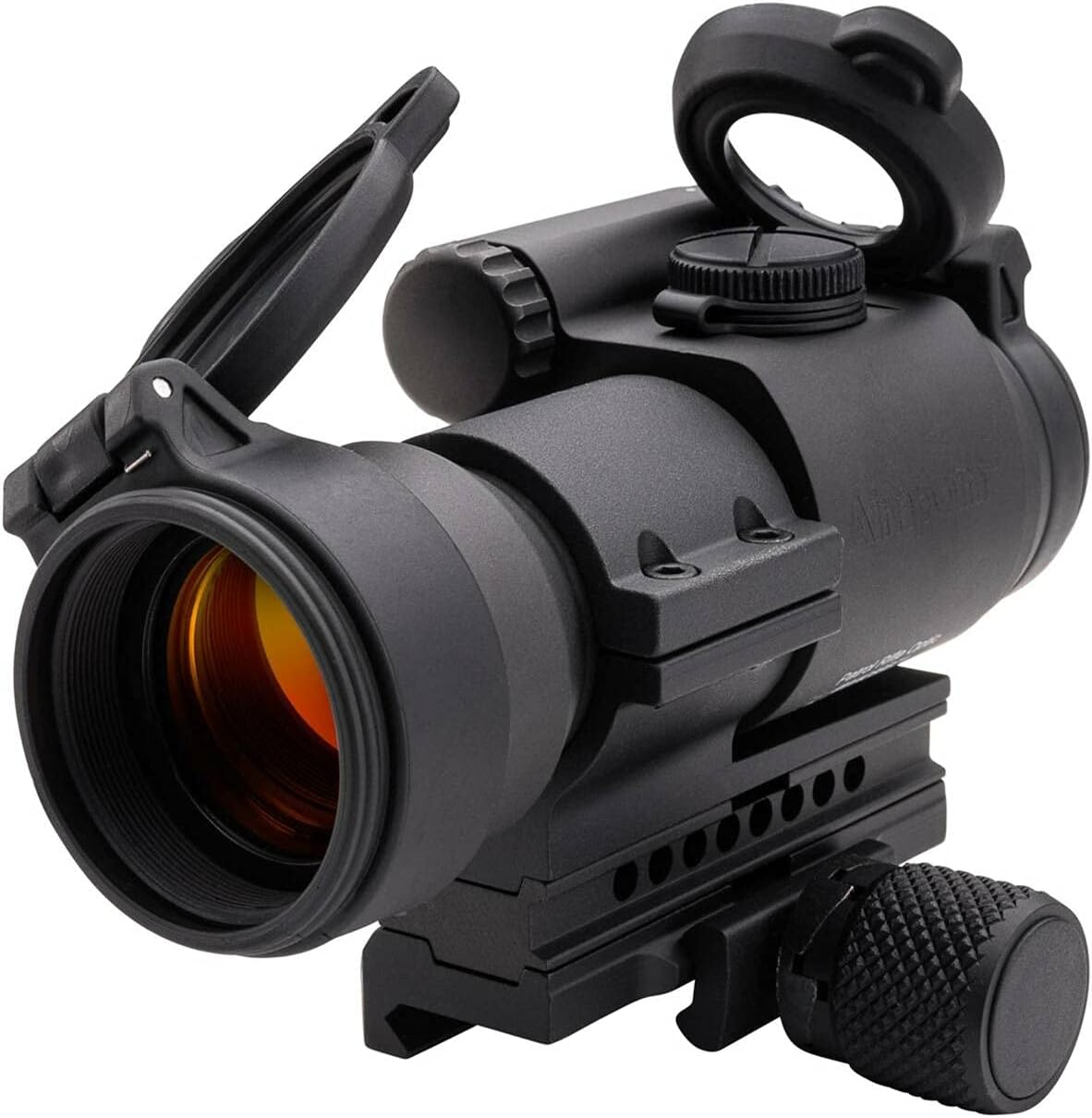
A duty-grade optic known for reliability and long battery life, the Aimpoint PRO remains a benchmark for serious shooters pushing red dots to distance.
Specs:
- 2 MOA dot
- 30mm tube
- 30,000+ hour battery life
- Night vision compatible
- Included QRP2 mount
Pros:
- Extremely crisp 2 MOA emitter
- Minimal parallax shift
- Outstanding durability
Cons:
- Bulky compared to micro dots
- Slight blue lens tint
My hands-on notes:
The 2 MOA dot is ideal for 200 yards—it doesn’t obscure targets. Parallax is very well controlled; even at extreme edge viewing, I saw minimal POI shift. Co-witness sits at absolute height with the included mount, which I prefer for precision work.
What people say online:
Users consistently highlight its “set and forget” reliability. Many report decade-long use without failure.
Mounting clarity:
Standard 30mm ring mount footprint; comes ready for AR platforms.
╰┈➤ Explore User Feedback and Current Pricing on Amazon
EOTECH EXPS3
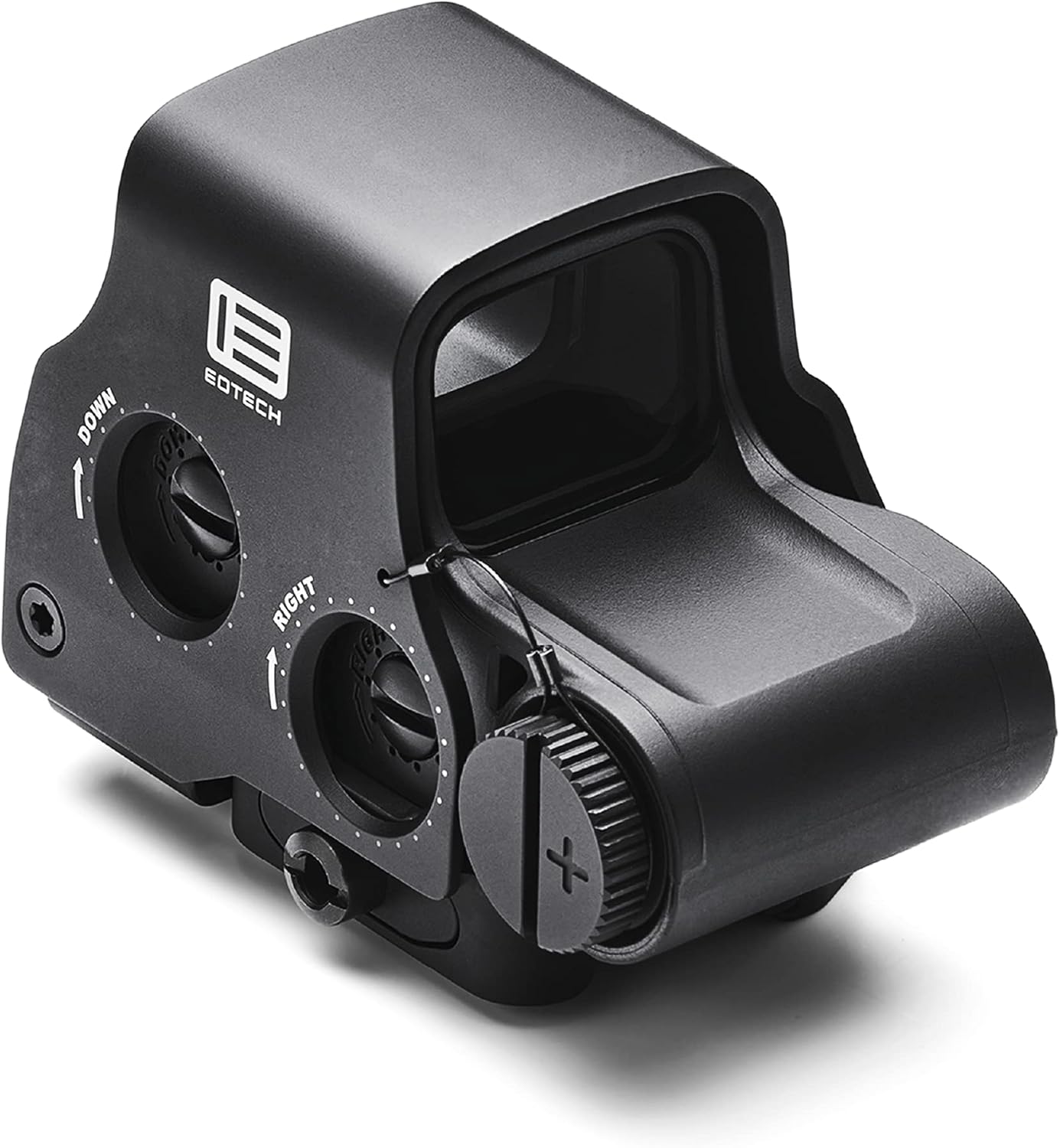
A holographic optic that excels in target acquisition and holds its own surprisingly well at distance thanks to its reticle design.
Specs:
- 1 MOA center dot with 65 MOA ring
- Holographic reticle
- Side buttons
- NV settings
Pros:
- Ultra-fine center dot for precision
- Large window with minimal distortion
- Excellent for moving targets
Cons:
- Short battery life
- Heavier than micro dots
My hands-on notes:
The 1 MOA dot is a huge advantage at 200 yards. The window is wide and distortion-free. Parallax is nearly nonexistent at distance. Lower 1/3 co-witness height feels natural and keeps irons out of the sight picture.
What people say online:
Shooters love the reticle clarity and speed. Battery complaints are common but accepted.
Mounting clarity:
Integrated QD mount—no plate required.
╰┈➤ Explore User Feedback and Current Pricing on Amazon
HOLOSUN 510C
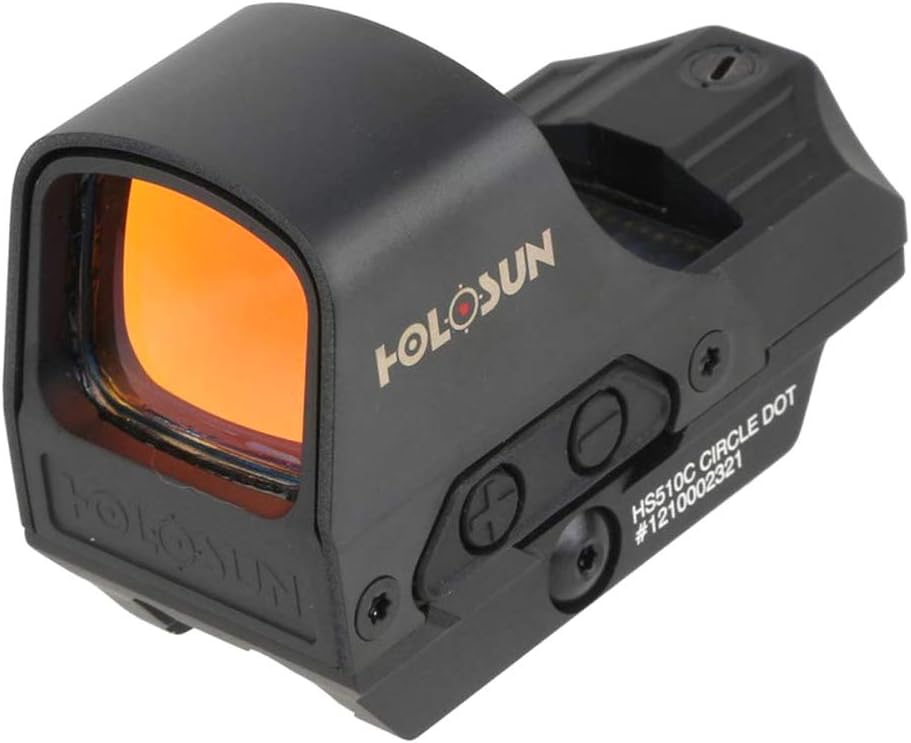
An open-emitter reflex sight that combines versatility and affordability with a surprisingly capable reticle system.
Specs:
- Multi-reticle (2 MOA dot, circle, combo)
- Solar + battery
- Open emitter
- Titanium hood
Pros:
- Flexible reticle options
- Large viewing window
- Good brightness range
Cons:
- Open emitter prone to debris
- Slight tint
My hands-on notes:
At 200 yards, switching to the 2 MOA dot only mode is key. The large window helps track targets, but emitter occlusion can happen in muddy environments. Parallax is acceptable but not Aimpoint-level. Co-witness is lower 1/3.
What people say online:
Highly praised for value. Some users mention durability concerns compared to premium optics.
Mounting clarity:
Comes with integrated Picatinny mount.
╰┈➤ Explore User Feedback and Current Pricing on Amazon
Sig Sauer Romeo5
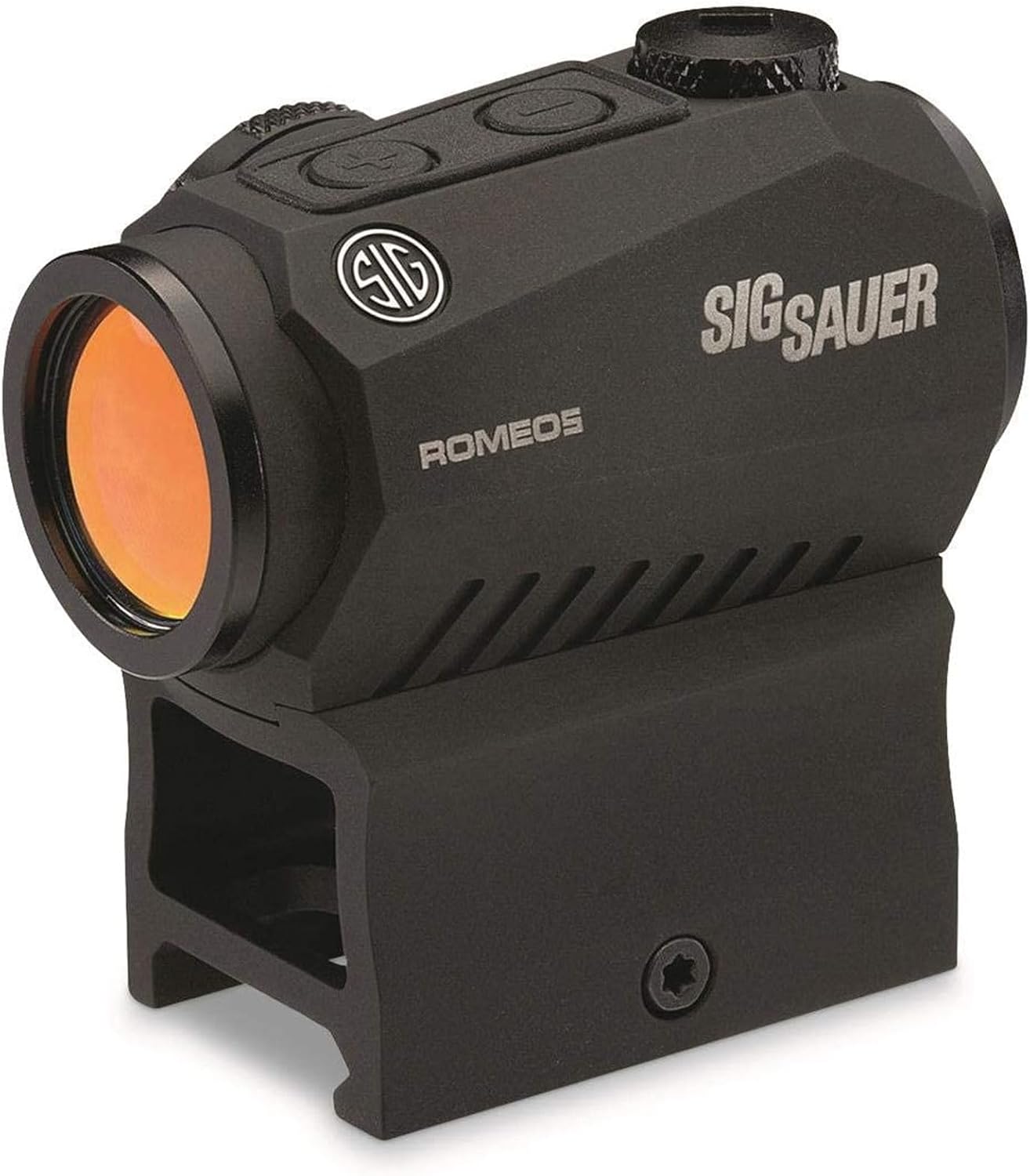
A budget-friendly micro red dot that punches above its weight, especially for shooters learning to stretch distance.
Specs:
- 2 MOA dot
- Motion-activated illumination
- 40,000 hour battery
- IPX7 waterproof
Pros:
- Affordable
- Lightweight
- Good battery system
Cons:
- Slight emitter starburst for some users
- Basic glass clarity
My hands-on notes:
The dot is usable at 200 yards but not as crisp as premium options. Parallax is noticeable near the edges. Co-witness options included—both absolute and lower 1/3 spacers.
What people say online:
Often recommended as a starter optic. Reliability exceeds expectations.
Mounting clarity:
Standard micro footprint with included mounts.
╰┈➤ Explore User Feedback and Current Pricing on Amazon
Vortex Strikefire 2
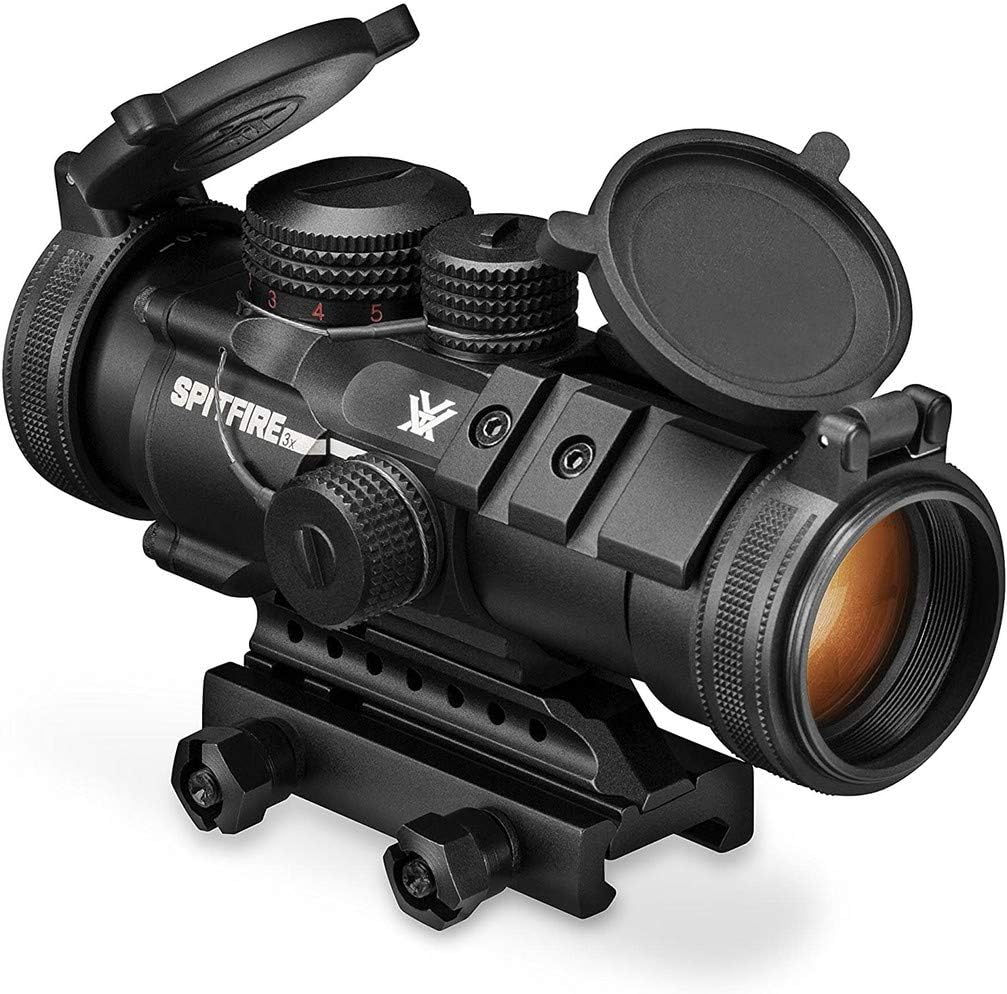
A full-size red dot offering solid performance and a forgiving eyebox, especially for newer shooters.
Specs:
- 4 MOA dot
- Red/green options
- 30mm tube
- 7,000 hour battery
Pros:
- Easy to acquire dot
- Durable build
- Lifetime warranty
Cons:
- 4 MOA dot too large for precision
- Noticeable lens tint
My hands-on notes:
At 200 yards, the 4 MOA dot covers a significant portion of the target. Precision suffers. Parallax is average. Co-witness sits at lower 1/3 with included mount.
What people say online:
Praised for durability and warranty. Criticism centers on dot size.
Mounting clarity:
Standard 30mm mount included.
╰┈➤ Explore User Feedback and Current Pricing on Amazon
Primary Arms SLX MD-25
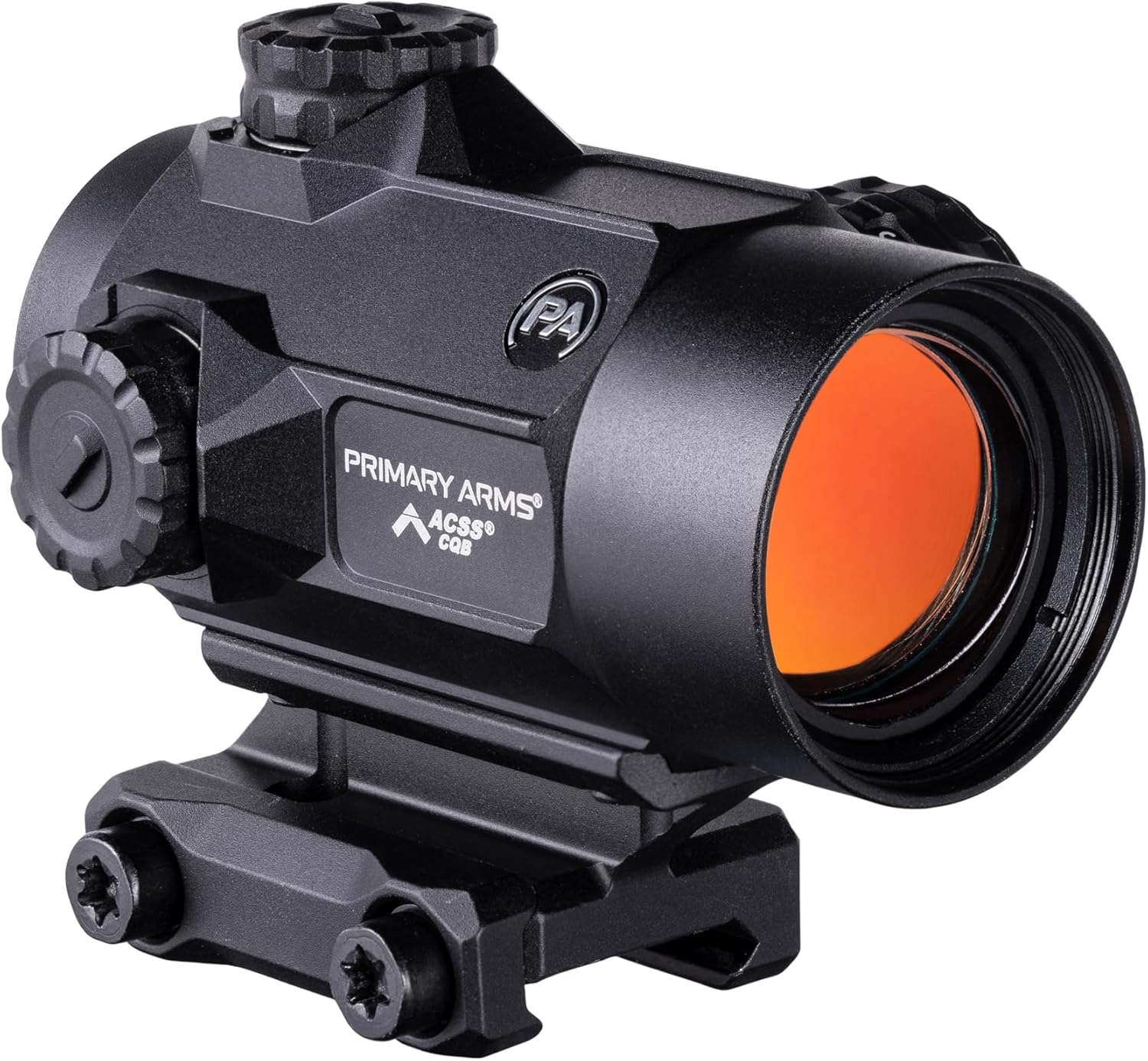
A modern 25mm micro dot that bridges the gap between compact size and large-window usability.
Specs:
- 2 MOA dot
- 25mm objective
- 50,000 hour battery
- Multiple mount heights
Pros:
- Large field of view
- Crisp emitter
- Flexible mounting
Cons:
- Slight edge distortion
- Buttons stiff with gloves
My hands-on notes:
This is one of the most underrated optics for mid-range shooting. The 2 MOA dot is clean, and the larger window helps maintain situational awareness. Parallax is well controlled. Co-witness flexibility is a big plus.
What people say online:
Users appreciate the balance of size and performance. Often compared favorably to higher-priced optics.
Mounting clarity:
Ships with multiple risers for different co-witness setups.
╰┈➤ Explore User Feedback and Current Pricing on Amazon
How I Tested / Evaluation Criteria
Parallax:
I tested each optic by shifting my head position while maintaining aim at 200 yards. The best optics showed minimal reticle movement relative to the target, especially near the edges of the glass.
Co-witness / deck height:
I evaluated both absolute and lower 1/3 setups. Lower 1/3 tends to reduce clutter and improves precision at distance, while absolute can feel more intuitive for some shooters.
Durability:
Each optic was assessed for housing strength, sealing, and recoil resistance. I specifically looked for zero retention after repeated firing cycles.
Battery:
Battery life and compartment design matter. Side-loading batteries are easier, but top-loading designs reduce zero shift risks.
Brightness range:
I tested in bright daylight and low-light conditions. Overly bright dots can bloom and obscure targets at 200 yards.
Glass quality:
Lens coatings, tint, and distortion were carefully examined. Clear glass with minimal color shift improves target identification.
Controls ergonomics:
Button feel with gloves is critical. Mushy or recessed buttons slow adjustments under stress.
Mounting ecosystem:
Compatibility with standard mounts and risers determines how adaptable the optic is across platforms.
How to Choose the Right Red Dot for This Gun
When selecting an optic capable of consistent hits at 200 yards, the most important factor is dot size. A 2 MOA dot is the sweet spot—it provides enough precision without sacrificing speed. Larger dots, like 4 MOA, can obscure targets at this distance, making precise holds difficult.
Glass clarity is the next critical element. Cheap optics often introduce distortion or excessive tint, which becomes obvious when trying to resolve smaller targets. A clean lens with good coatings improves contrast and reduces eye strain during extended shooting sessions.
Parallax performance also becomes more noticeable at 200 yards. While no red dot is completely parallax-free, higher-end optics minimize this effect, especially when your head position isn’t perfect.
Mounting height plays a subtle but important role. Lower 1/3 co-witness is generally preferred for distance work because it keeps iron sights out of the main sight picture. However, shooters accustomed to absolute co-witness may prefer its consistency.
Durability matters if you plan to rely on your optic in demanding conditions. Sealed emitters are more resistant to environmental interference, while open emitters can be obstructed by debris.
Battery life and control layout round out the decision. Long battery life reduces maintenance, and intuitive controls ensure quick adjustments when lighting conditions change.
Ultimately, the Best Red Dot for 200 Yards is the one that balances precision, clarity, and reliability for your specific setup.
FAQs
1. Can a red dot really be accurate at 200 yards?
Yes. With a 2 MOA dot and proper zero, consistent hits are absolutely achievable.
2. Is magnification necessary?
Not required, but a magnifier can improve target identification.
3. What zero distance works best?
A 50/200 yard zero is the most practical for most shooters.
4. Does dot size matter that much?
Yes. Smaller dots allow more precise aiming at distance.
5. Are holographic sights better than red dots?
They offer advantages in reticle clarity but come with tradeoffs like battery life.
Conclusion
Choosing the Best Red Dot for 200 Yards comes down to understanding the balance between dot size, clarity, and durability. After extensive testing, I’ve found that optics with a crisp 2 MOA dot, minimal parallax shift, and solid mounting systems consistently deliver the best results at this distance.
Whether you prioritize premium durability like Aimpoint or value-driven performance like Holosun and Primary Arms, the key is selecting an optic that maintains precision without sacrificing speed.