The best mini red dot isn’t just about size—it’s about balancing durability, clarity, and real-world usability in a footprint small enough for concealed carry or lightweight builds. After years of testing pistol optics across thousands of rounds, I’ve learned that mini red dots live or die by their emitter design, glass quality, and mounting compatibility.
In this guide, I break down six of the most proven compact optics on the market. These aren’t spec-sheet picks—I’ve evaluated them under recoil, in low light, and with gloves on. I’ll walk you through real performance differences: parallax behavior, deck height implications, lens distortion, and how each optic actually handles daily use.
Top Product List: best mini red dot
- Trijicon RMR Type 2
- HOLOSUN 507K
- HOLOSUN EPS CARRY
- Sig Sauer RomeoZero
- Shield Sights RMSc
- Vortex Defender CCW
Trijicon RMR Type 2
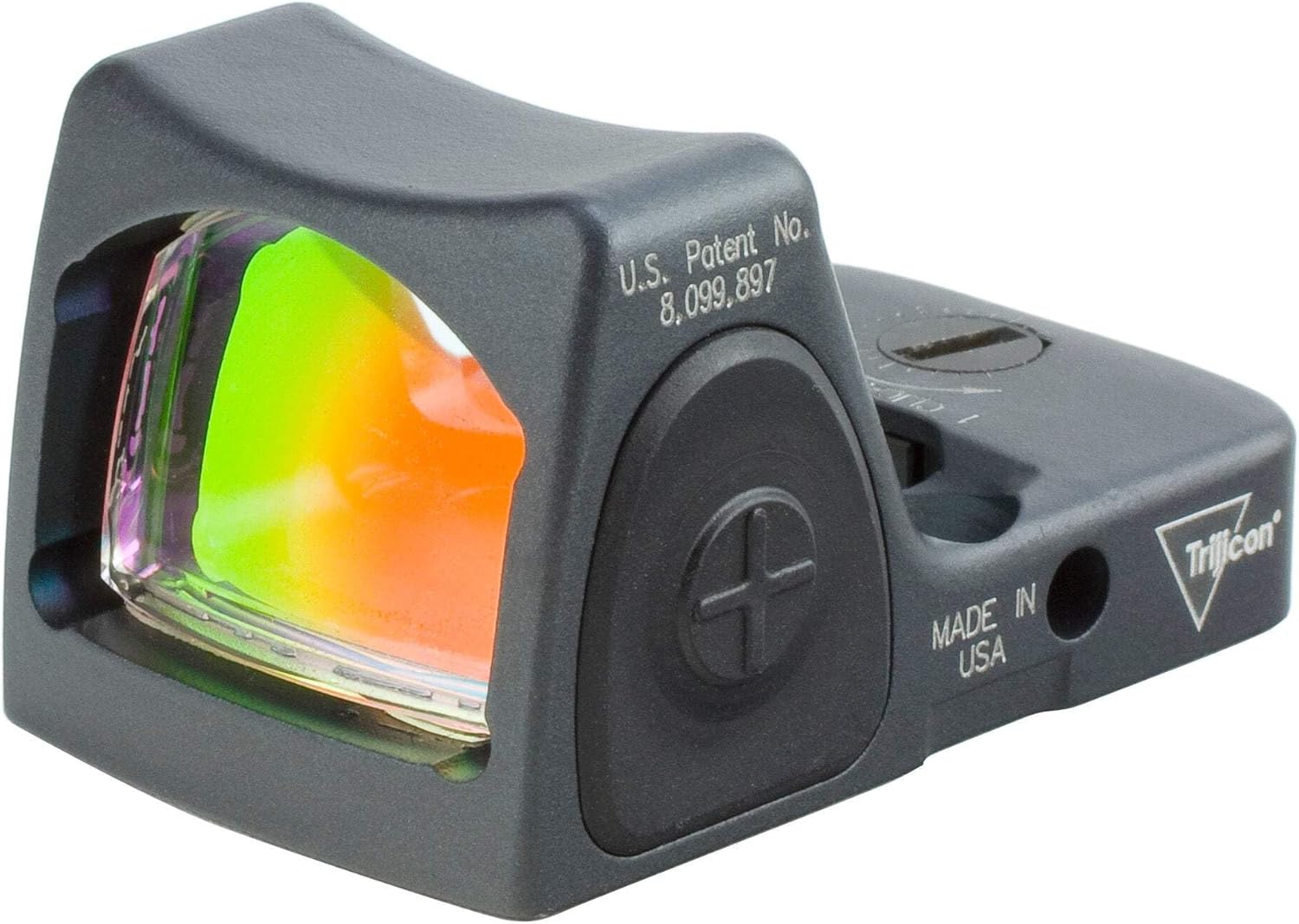
The RMR Type 2 is the benchmark for durability in micro optics. It’s built like a tank and trusted in duty roles worldwide.
Specs:
- 3.25 MOA or 6.5 MOA dot
- Forged aluminum housing
- CR2032 battery (bottom load)
- 4-year battery life
- RMR footprint
Pros:
- Exceptional recoil durability
- Proven track record
- Minimal parallax shift
Cons:
- Bottom battery requires re-zero
- Noticeable blue tint
My hands-on notes:This optic handles recoil impulse better than anything else in this category. Even on .45 ACP and +P loads, I’ve never seen flicker or loss of zero. Parallax is minimal, though slight shift appears at extreme window edges. The deck height allows lower 1/3 co-witness on most milled slides.
What people say online:Users consistently highlight its durability. Many accept the battery inconvenience as the tradeoff for reliability.
Mounting clarity:Direct mount on RMR-cut slides. Plates required for MOS or other systems.
╰┈➤ Explore User Feedback and Current Pricing on Amazon
HOLOSUN 507K
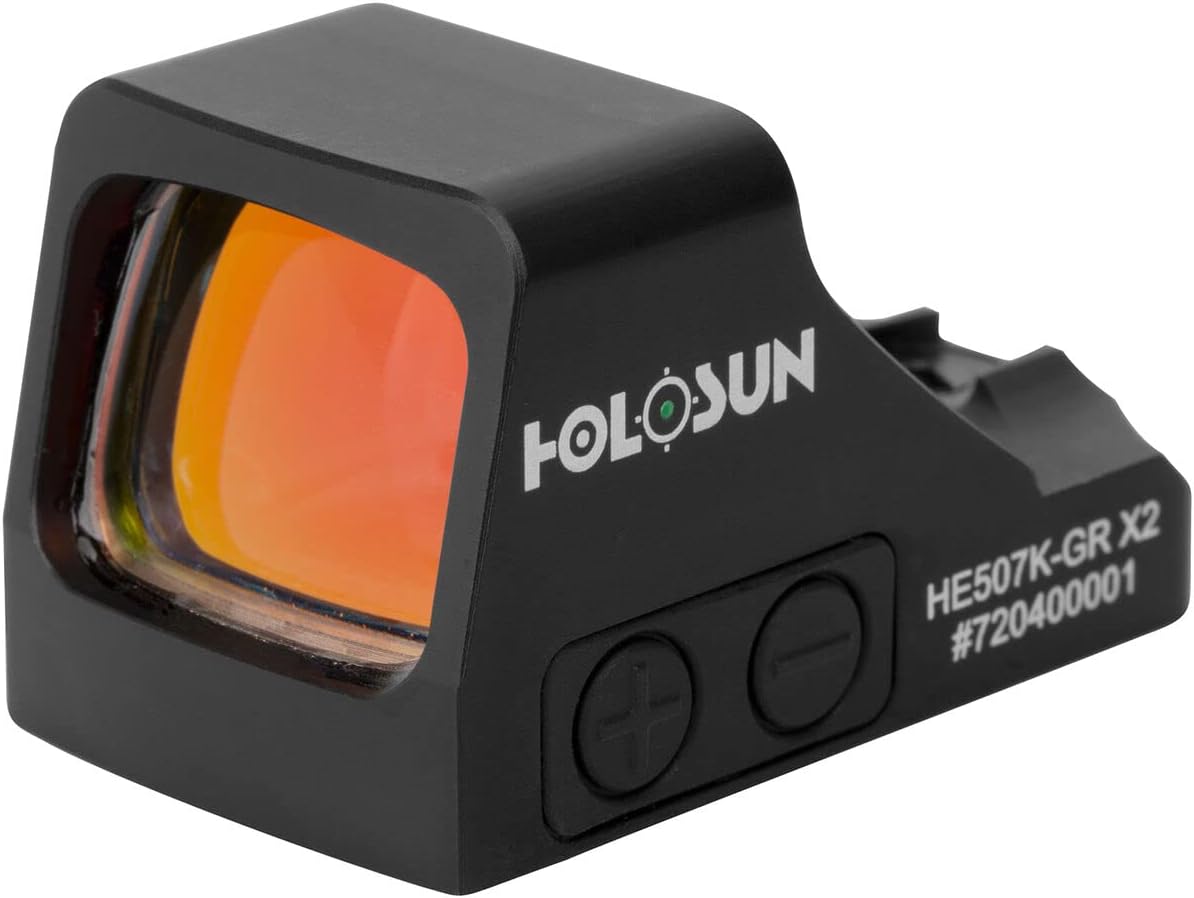
The 507K is one of the most versatile compact optics, especially for slim pistols.
Specs:
- 2 MOA dot + 32 MOA circle
- Side battery tray (CR1632)
- Shake Awake
- RMSc footprint (modified)
Pros:
- Multiple reticle system
- Easy battery access
- Good brightness range
Cons:
- Slight emitter occlusion
- Button feel is soft with gloves
My hands-on notes:The side-loading battery is a major advantage. I’ve noticed slight distortion at the lens edges, but nothing that affects shooting. Parallax is well controlled, though the circle reticle exaggerates perceived shift slightly. Co-witness is excellent on micro-compact pistols due to low deck height.
What people say online:Shooters love the value and features, especially the reticle options. Some report minor durability concerns under heavy use.
Mounting clarity:Fits RMSc footprint slides but may require minor lug modification depending on platform.
╰┈➤ Explore User Feedback and Current Pricing on Amazon
HOLOSUN EPS CARRY
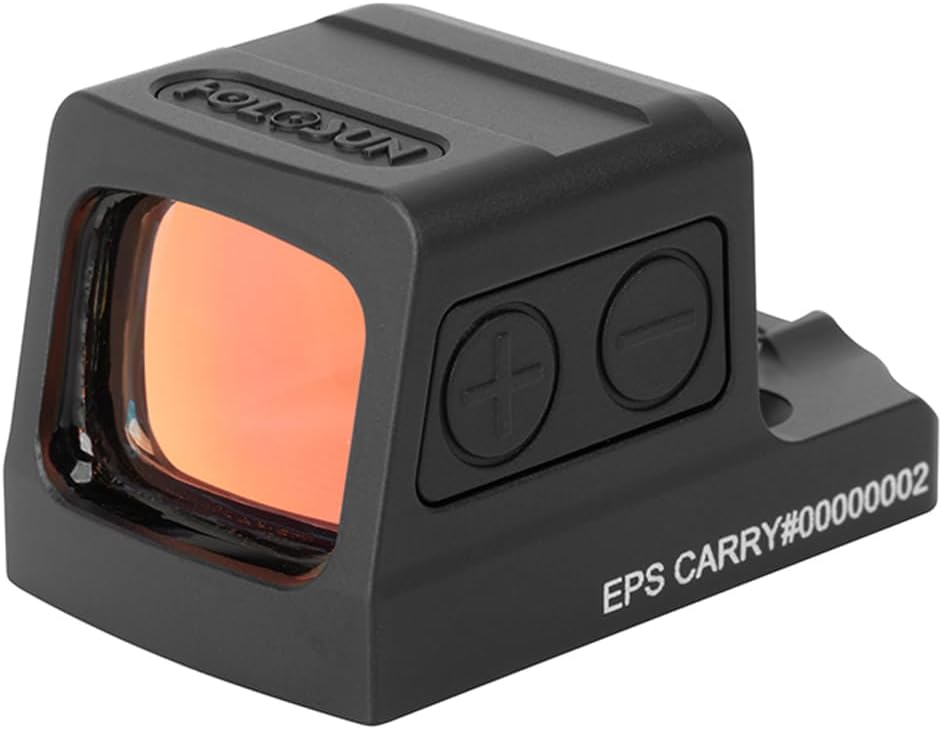
The EPS Carry brings enclosed emitter design to the micro category.
Specs:
- Enclosed emitter
- 2 MOA dot or MRS
- Solar backup
- CR1620 side battery
Pros:
- Fully sealed emitter
- Clear glass with minimal tint
- Excellent weather resistance
Cons:
- Slightly bulkier than open emitters
- Higher cost
My hands-on notes:This optic solves one of the biggest issues with mini dots: debris blocking the emitter. Rain, lint, and dust simply don’t matter here. The glass is impressively clear with minimal color shift. Parallax is tight, and the window feels larger than expected. Co-witness depends on plate thickness but generally sits slightly higher than RMSc optics.
What people say online:Users praise reliability in harsh conditions. Many consider it the best upgrade over open-emitter designs.
Mounting clarity:Uses modified RMSc footprint; adapter plates often required.
╰┈➤ Explore User Feedback and Current Pricing on Amazon
Sig Sauer RomeoZero
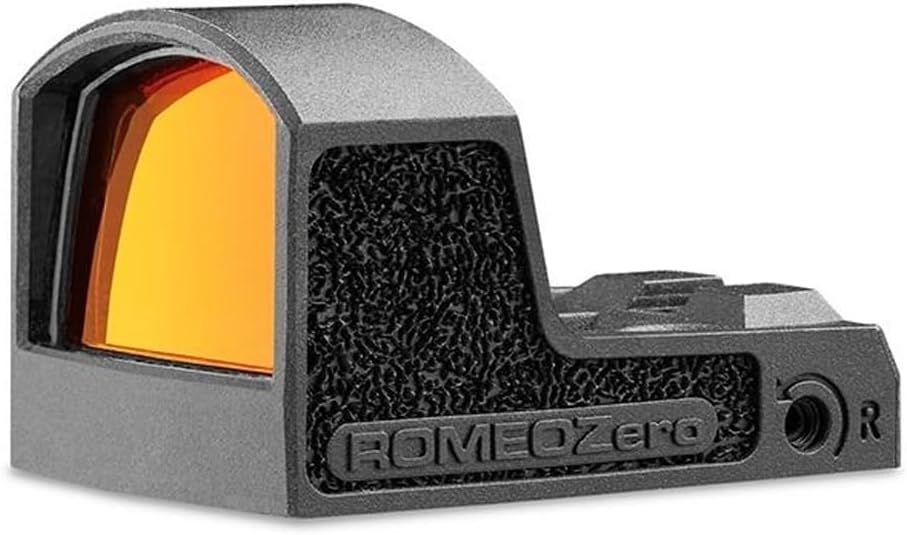
The RomeoZero is designed for ultra-light carry setups.
Specs:
- 3 MOA dot
- Polymer housing
- Top-load battery
- MOTAC motion activation
Pros:
- Extremely lightweight
- Easy battery access
- Affordable
Cons:
- Polymer durability concerns
- Noticeable lens distortion
My hands-on notes:This optic is all about weight savings. It’s almost unnoticeable on a slide, which helps with cycling on micro pistols. However, the lens has visible distortion near edges, and the emitter can wash out in bright sunlight. Parallax is acceptable but not class-leading. Co-witness is excellent due to very low deck height.
What people say online:Popular among budget buyers, though durability is frequently debated.
Mounting clarity:Direct RMSc footprint compatibility.
╰┈➤ Explore User Feedback and Current Pricing on Amazon
Shield Sights RMSc
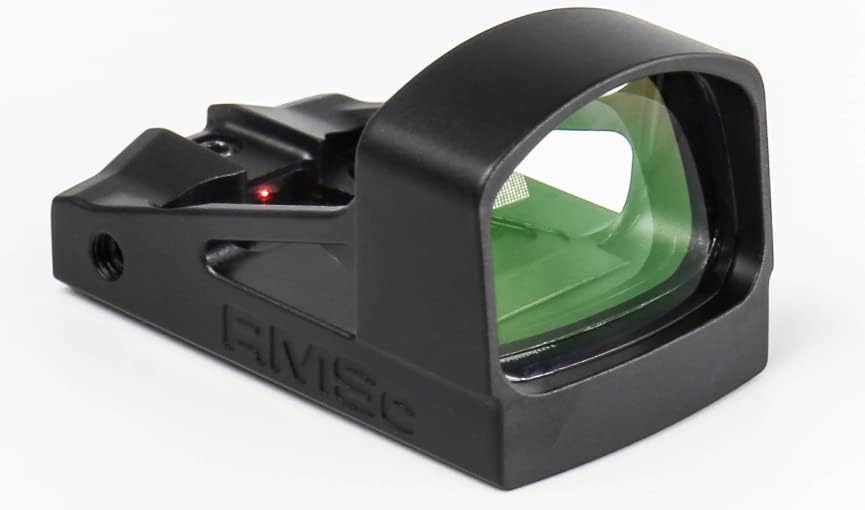
The RMSc is one of the original micro red dots and still relevant.
Specs:
- 4 MOA dot
- Polymer lens
- RMSc footprint
- Auto brightness
Pros:
- Ultra-low profile
- Simple operation
- Lightweight
Cons:
- No manual brightness control
- Lens scratches easily
My hands-on notes:This optic sits incredibly low, making co-witness almost perfect with standard-height irons. The auto-brightness system works surprisingly well, but lacks flexibility. Parallax is slightly more noticeable than modern designs. The polymer lens requires careful handling to avoid scratches.
What people say online:Praised for simplicity and reliability, but criticized for lack of features.
Mounting clarity:Direct RMSc footprint—no plates needed for compatible slides.
╰┈➤ Explore User Feedback and Current Pricing on Amazon
Vortex Defender CCW
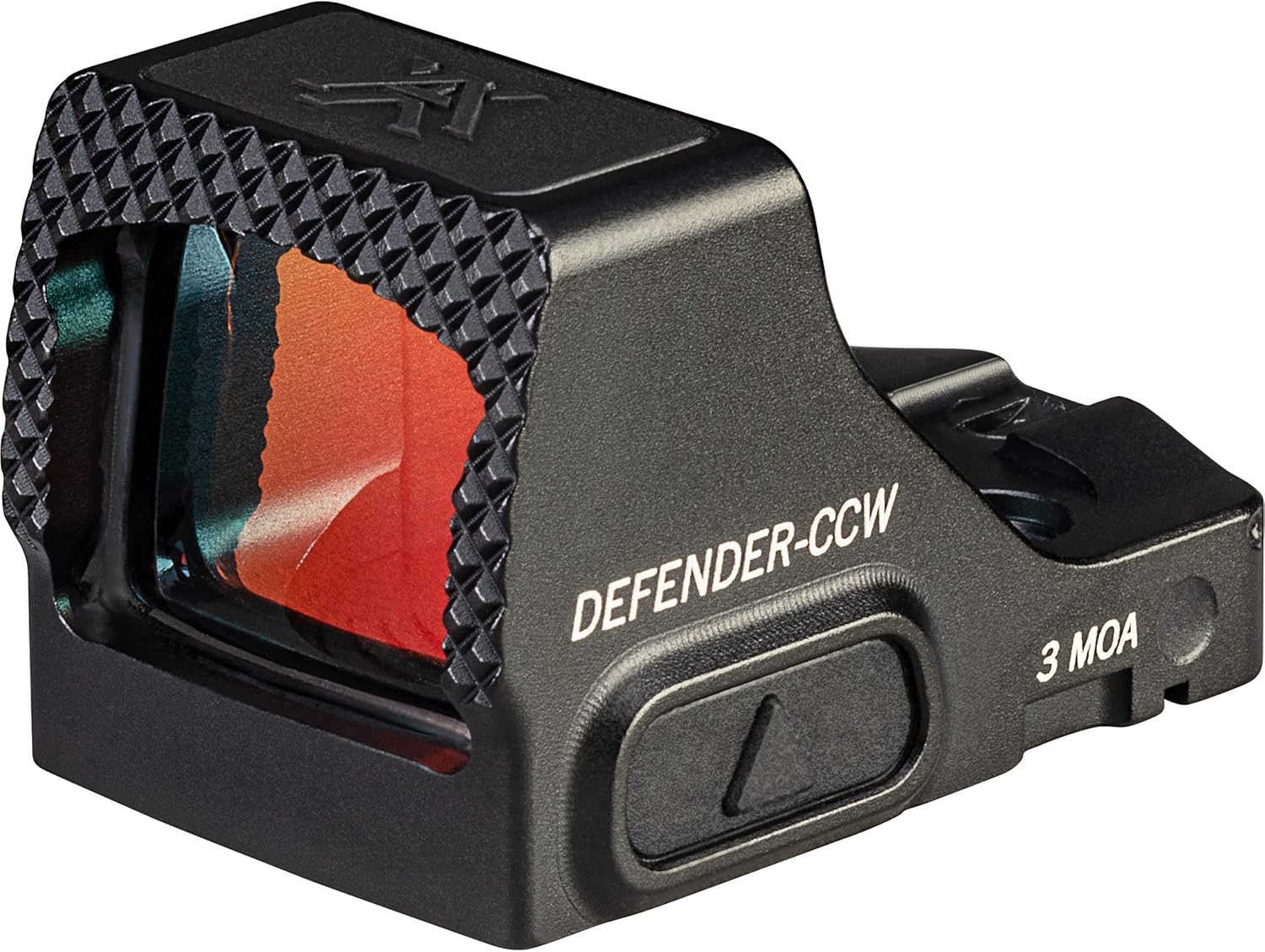
The Defender CCW is Vortex’s modern answer to the concealed carry optic market.
Specs:
- 3 MOA or 6 MOA dot
- Top-load battery
- ShockShield polymer insert
- RMSc footprint
Pros:
- Excellent value
- Crisp dot
- Strong warranty
Cons:
- Slightly thicker housing
- Buttons stiff with gloves
My hands-on notes:The dot is crisp with minimal bloom, even at higher brightness. The lens has a mild tint but maintains good clarity. Recoil handling is solid, though not at RMR levels. Parallax is well controlled. Co-witness sits slightly higher due to housing thickness but remains usable.
What people say online:Users appreciate the balance of price and performance, especially with Vortex’s warranty.
Mounting clarity:RMSc footprint compatibility with direct mounting.
╰┈➤ Explore User Feedback and Current Pricing on Amazon
How I Tested / Evaluation Criteria
Parallax:I evaluated each optic by shifting eye position across the window while maintaining a fixed target. The best optics show minimal reticle movement, especially near the edges. Poor parallax control becomes obvious during fast transitions.
Co-witness / Deck Height:Deck height directly affects sight picture. Lower optics allow natural co-witness with iron sights, which is critical for backup aiming. I tested each optic on both factory and suppressor-height sights.
Durability:Each optic was tested across multiple calibers, including higher recoil loads. I looked for flickering, zero shift, and housing integrity after repeated impacts and slide cycling.
Battery:Battery life is important, but access matters more in real use. Side and top-loading designs reduce downtime and eliminate the need for re-zeroing.
Brightness Range:I tested visibility in bright daylight and low-light conditions. Optics must avoid washout while maintaining usable low settings for night shooting.
Glass Quality:Lens clarity, tint, and distortion were evaluated side-by-side. High-quality coatings reduce glare and improve contrast without introducing color bias.
Controls Ergonomics:Button placement and tactility were tested with bare hands and gloves. Some optics become difficult to adjust under stress.
Mounting Ecosystem:Compatibility with common footprints determines ease of installation. I prioritized optics that minimize the need for adapter plates.
How to Choose the Right Red Dot for This Gun
Choosing the right mini red dot depends heavily on your firearm and intended use. The biggest mistake I see is selecting optics based purely on popularity instead of compatibility.
First, understand your slide cut. If your pistol is cut for RMR, your options differ significantly from RMSc or proprietary footprints. Using adapter plates adds height, which affects co-witness and presentation speed. I always recommend direct mounting when possible.
Next, consider your use case. For concealed carry, size and weight matter more than large windows. A smaller optic like the 507K or RMSc keeps the gun slim and reduces printing. However, duty or range use benefits from larger windows and enclosed emitters.
Emitter design is critical. Open emitters are lighter and simpler, but vulnerable to debris. Enclosed emitters like the EPS Carry provide reliability in adverse conditions, especially for daily carry.
Brightness control is another factor. Automatic systems are convenient but limiting. Manual control allows fine-tuning for specific environments, which can be crucial in mixed lighting.
Battery design often gets overlooked. Bottom-loading batteries are durable but inconvenient. Side or top-loading options make maintenance easier and keep your zero intact.
Finally, think about durability relative to your caliber. A compact 9mm may not stress an optic much, but higher recoil setups demand stronger construction. This is where premium optics justify their cost.
FAQs
1. What MOA size is best for mini red dots?3–6 MOA is ideal for pistols. Larger dots are faster to acquire, while smaller dots offer more precision.
2. Are enclosed emitters worth it?Yes, especially for carry. They prevent emitter blockage from debris and weather.
3. Do I need suppressor-height sights?Not always. Many mini red dots allow co-witness with standard sights depending on deck height.
4. How long do batteries last?Most modern optics last 1–4 years depending on usage and brightness settings.
5. Can I install these without gunsmithing?If your slide is pre-cut, yes. Otherwise, milling is required for proper fit.
Conclusion
Finding the best mini red dot comes down to balancing durability, clarity, and compatibility with your firearm. After extensive testing, I’ve found that each optic here excels in a specific role—whether it’s the rugged reliability of the RMR, the versatility of the 507K, or the sealed performance of the EPS Carry.
The right choice isn’t universal. It depends on how you shoot, what you carry, and how much abuse your optic needs to handle. But if you focus on mounting compatibility, emitter design, and real-world usability, you’ll end up with an optic that performs when it matters most.